The short answer
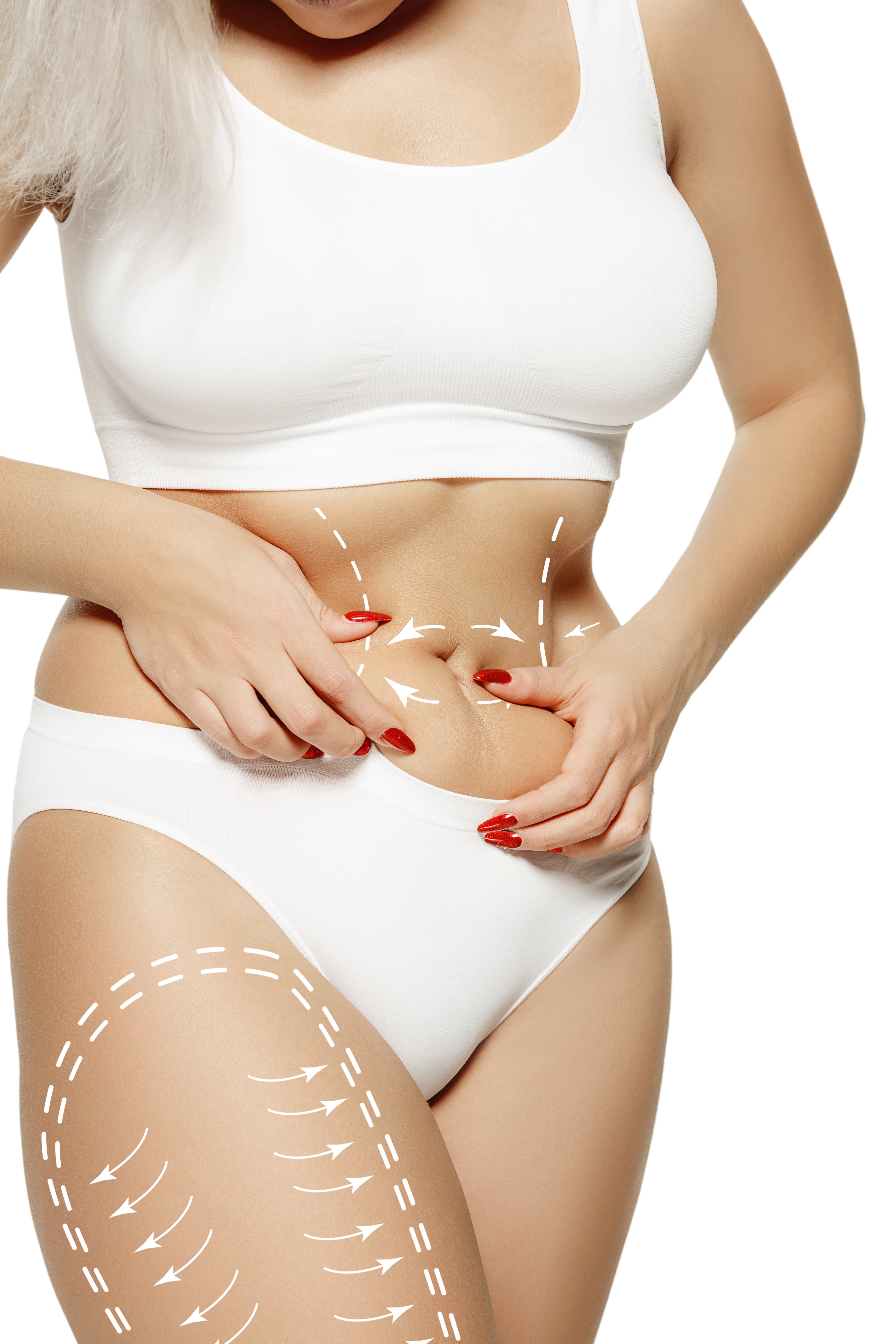
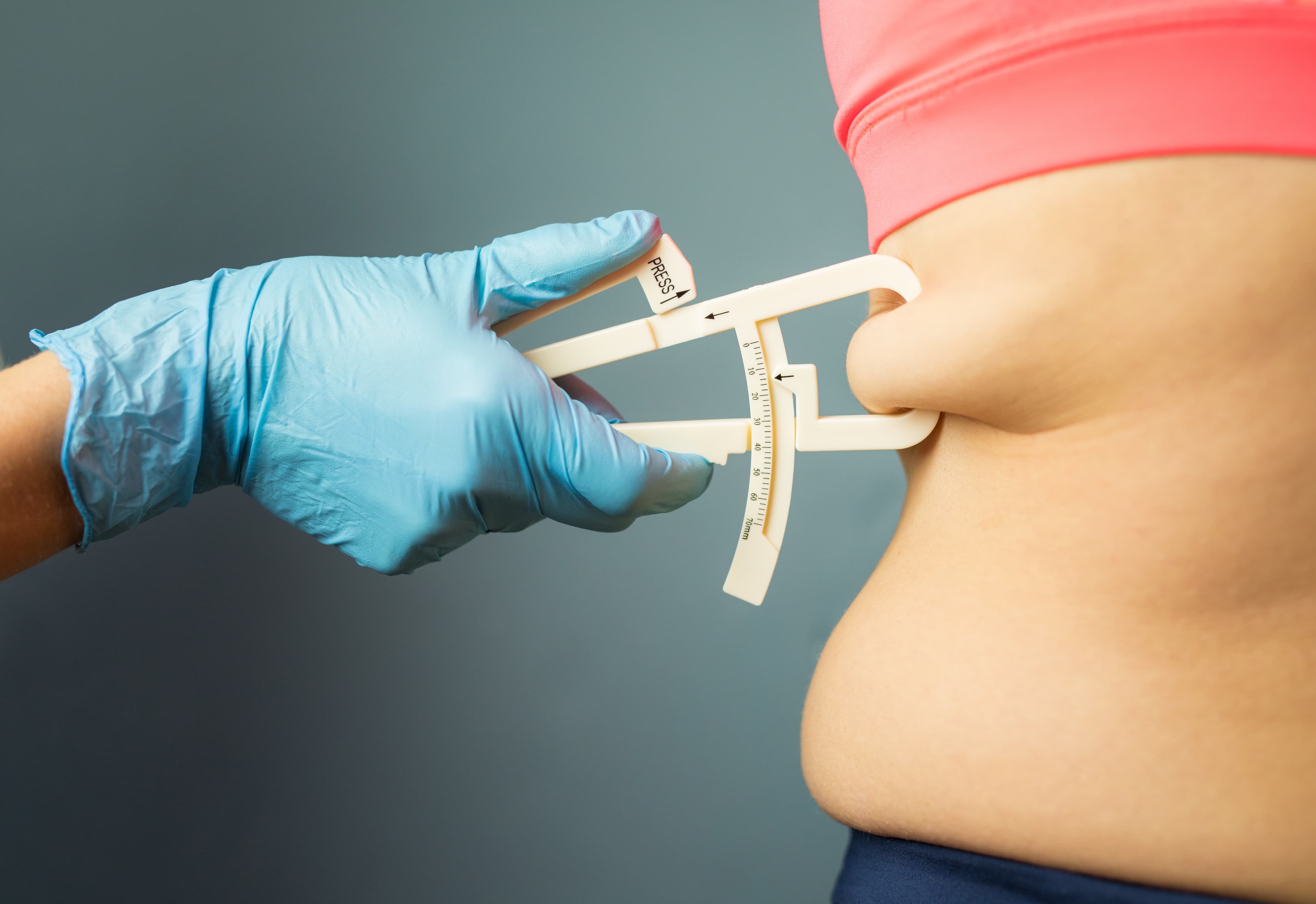
Diet and exercise support whole-body health and weight management. Fat dissolving pathways are typically considered for localised areas that remain resistant despite consistent habits.
These two approaches are not direct competitors. For many people, they serve different roles.
Where each approach is strongest
| Approach | Primary role | Typical use case | | --- | --- | --- | | Nutrition and activity | Whole-body health and weight management | Sustainable long-term baseline support | | Fat dissolving treatment | Localised contour support | Stubborn pockets after suitability review |
Why this distinction matters
If someone wants broad weight reduction, treatment aimed at one area may not match the goal. In contrast, if someone is close to baseline targets but has one persistent area, consultation may explore whether localised treatment is suitable.
This is exactly why Aqualyx Leeds keeps consultation at the centre of decision-making.
Signs a consultation may help
- You have one or two clear concern areas
- You understand outcomes are not guaranteed
- You prefer non-surgical contour support
- You want realistic timeline guidance before deciding
Signs another route may be better first
- Your goal is broad weight reduction
- You need medical support for weight-related health concerns
- You expect one session to solve multiple body areas
Planning with realistic expectations
A practical plan usually includes:
- Suitability screening
- Area discussion and dosage guidance
- Timeline and aftercare review
- Follow-up checkpoint and next-step decision
Related links:
Mid-article CTA
If you are unsure where your goals fit, send a quick message on WhatsApp and then book a consultation if advised.
Final takeaway
Lifestyle work and localised treatment planning can coexist. The key is using consultation to choose the right tool for the right goal, with clear pricing and realistic timelines.